CB Radios: Classic Communication for the Road and Beyond
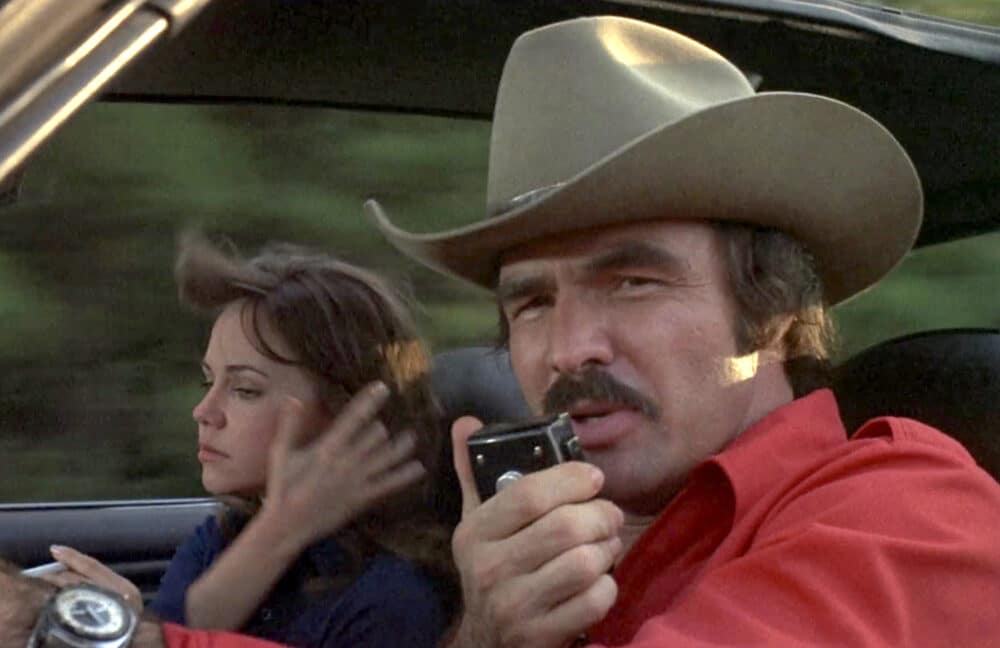
Before smartphones and GPS apps ruled the road, there was CB radio. Short for Citizens Band, CB radios were the original tool for travelers, truckers, and off-roaders to stay connected—and they’re still going strong today.
Whether you’re looking for a backup way to communicate during emergencies, or just want a way to stay in touch on a rural road trip or trail ride, CB radios are reliable, license-free, and easier to use than ever. In fact, recent changes from the FCC have made CB radios even better, with the addition of FM transmission in 2021.
This guide is part of our series on emergency and outdoor radios. If you’re just joining us, check out our previous blogs on FRS and GMRS to get a complete picture.
What Does CB Stand For?
Citizens Band (CB) is a personal radio service that operates on 40 channels within the 27 MHz HF (High Frequency) band. It’s available to the general public without a license, making it one of the most accessible forms of radio communication.
CB radios use AM (Amplitude Modulation) by default—but as of 2021, the FCC now allows FM (Frequency Modulation) on CB channels as well. That opens up new clarity and range possibilities for users with modern radios.
CB Radio Basics
- Frequency Band: 26.965 MHz to 27.405 MHz (HF)
- Channels: 40 standard
- Modes: AM (default), FM (as of 2021), SSB on some units
- Power Limit: 4 watts for AM/FM; 12 watts PEP for SSB
- License Required: ❌ No license needed in the U.S.
- Range: Typically 1 to 5 miles (can go farther with good setup and SSB)
FCC Rules and the FM Upgrade
In July 2021, the FCC updated Part 95 rules to allow FM (Frequency Modulation) alongside traditional AM on CB radios.
🔹 Why FM Matters:
- Better audio clarity (less background static than AM)
- Improved communication in noisy environments
- Easier for new users to understand speech
- Stronger signal reliability in local or short-range use
⚠️ One Limitation:
If you’re using FM and the other person only has an older CB radio that supports AM only, they won’t be able to hear you. For compatibility, most modern CB radios now offer both AM and FM modes, so you can switch as needed.
Popular Use Cases for CB Radios
1. Road Travel and Trucking
CB radios have long been the go-to tool for truckers. Even today, Channel 19 remains the de facto highway channel for traffic alerts, accident warnings, speed trap tips, and general road chatter.
2. Off-Road Adventures
In the overlanding and 4×4 community, CB radios are often used to keep vehicles in a convoy connected. When you’re navigating trails or logging roads without cell signal, CB keeps everyone on the same page.
3. Emergency and Disaster Use
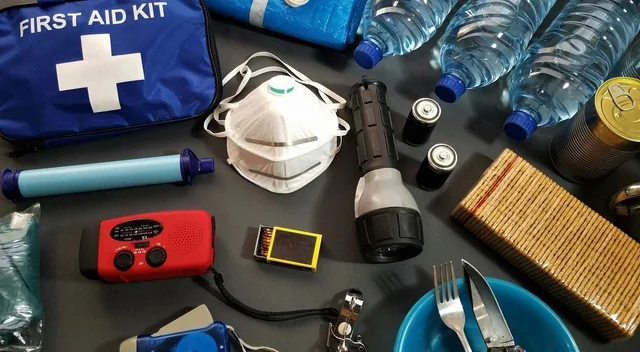
CB radios can operate independently of grid power and cellular networks, making them useful during hurricanes, tornadoes, or other disasters. They’re also simple enough for anyone to use—no setup or learning curve required.
4. Farm, Ranch, or Workshop Communication
For large properties or rural areas where you just need to relay simple messages between buildings or vehicles, CB radios are a budget-friendly, license-free option.
CB Radio Range: What to Expect
Range on a CB radio varies widely depending on several factors:
Power Output:
- 4 watts max for AM/FM (legal limit)
- 12 watts PEP for SSB-capable radios
Antenna Type:
- A proper antenna is far more important than the radio itself.
- Magnet-mount antennas on vehicles work fine, but tuned antennas mounted on roof racks or masts provide significantly better range.
Terrain:
- Flat/open terrain: 3–5 miles
- Urban or forested: 1–2 miles
- Hilltop to valley: 5+ miles with line-of-sight
Real-World Range:
Most users can expect 1 to 5 miles under normal conditions with a good antenna setup. Single Sideband (SSB) users with skip conditions can sometimes talk hundreds of miles, though that’s not reliable day-to-day.
CB Channel Overview
There are 40 channels on the CB band, but some have special uses:
| Channel | Common Use |
|---|---|
| 9 | Emergency channel (FCC-monitored) |
| 19 | Highway/truckers’ channel |
| 6, 11 | “Skip” channels (long-distance hobbyists) |
| 16–17 | Local and recreational use |
Types of CB Radios
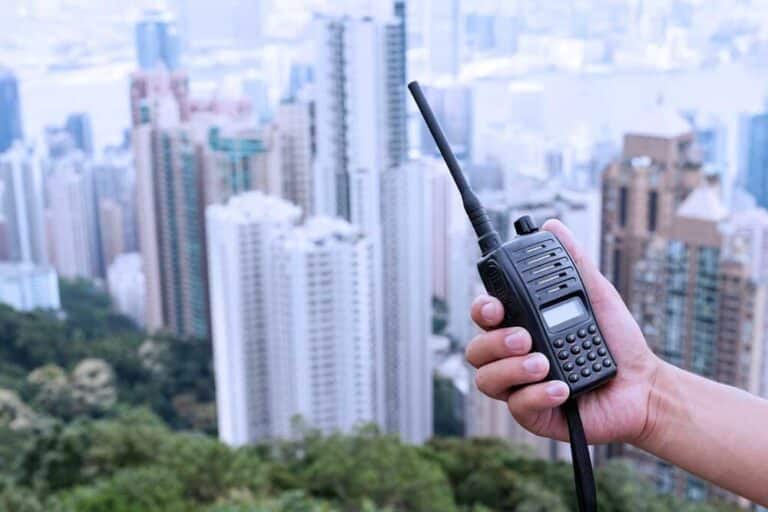
Handheld CB Radios
- Compact and portable
- Lower range unless paired with a large external antenna
- Great for hiking, events, or occasional use
Mobile CB Radios
- Most common format
- Installed in vehicles (dash-mounted or under seat)
- Require external antenna for best performance
- Ideal for road trips, convoys, off-road use
Base Station CB Radios
- Set up in homes, garages, or workshops
- Best for fixed communication over moderate distances
- Require power supply and tall base antenna
What About Single Sideband (SSB)?
Some high-end CB radios include SSB mode, which allows you to operate on frequencies slightly above or below standard channels (USB/LSB). This:
- Triples your power output to 12 watts PEP (peak envelope power)
- Provides significantly greater range
- Can be useful for skip propagation or long-range hobby use
However, both users must have SSB-compatible radios and tune to the same mode.
CB vs FRS/GMRS/Ham: Where It Fits
CB sits in a unique niche—it doesn’t require a license (like FRS), but offers more potential range than FRS. It has less flexibility and power than GMRS, and far less technical capability than Ham—but it wins on simplicity and ease of entry.
| Feature | CB Radio | FRS | GMRS | Ham Radio |
|---|---|---|---|---|
| License Needed | ❌ No | ❌ No | ✅ Yes | ✅ Yes (test) |
| Max Power | 4–12 watts | 2 watts | 50 watts | 1500 watts |
| Range | 1–5 miles | ~1 mile | 2–20 miles | 5–1000+ miles |
| Complexity | Easy | Easiest | Moderate | High |
| Repeater Use | ❌ No | ❌ No | ✅ Yes | ✅ Yes |
| Cost | Low–Mid | Low | Mid | Varies |
Is CB Radio Still Worth It?
Absolutely—especially if you want simple, legal, and license-free communication on the road. It’s not the most high-tech solution, but for many users, it’s the perfect blend of utility and ease.
Modern CB radios with FM mode offer cleaner communication than ever, and new handheld and mobile options make it easy to add CB to your vehicle or go-bag setup.
Final Thoughts
CB radios have stood the test of time for a reason. They’re affordable, legal to use right out of the box, and work when other networks fail. With new FM capability now available, they’re even more useful than before—so long as you understand the compatibility trade-offs.
Whether you’re traveling cross-country, coordinating an off-road adventure, or preparing for emergencies, CB radios are a solid, low-barrier option for staying connected.